
Checking Criminal History in Polk County
No single Polk County criminal records screen contains every arrest, case, sentence, or custody change. Begin by deciding what the record should prove. The County Clerk keeps County Court at Law files for Class A and B misdemeanors. The District Clerk keeps felony files from the 258th and 411th District Courts. Municipal courts and four justice courts keep fine-only matters and their own failure-to-appear records. The sheriff and jail answer different questions about reports and custody. Texas DPS supplies a statewide public criminal-history slice, but its public name search is not the same as a fingerprint-matched review of your own record.
Use a full legal name, date of birth when known, spelling variants, and any cause, citation, report, or booking number. A name hit is a lead. Compare the court, charge date, identifiers, and final judgment before treating it as the right person.
- Check the County Clerk index for a Class A or B misdemeanor and ask the District Clerk about likely felonies.
- Contact the issuing municipal or justice court when the event was a city citation or fine-only case.
- Call the jail or use its official current inmate list for present local custody.
- Use the Texas DPS public search for reported statewide conviction and deferred-adjudication data.
- Order the source pleading, judgment, or certified copy from the clerk that holds the case.
Note: An index entry helps locate a file, but it does not replace the signed judgment or a certified clerk copy.
Why Polk County Has Split Record Searches
Polk County criminal history is split because each agency documents a different stage. A police officer or deputy creates the incident and arrest report. Polk County Jail creates an intake record and custody status. The prosecutor decides whether and what to file. A clerk then maintains the docket, pleadings, orders, and result. DPS receives fingerprint-linked arrest data and later disposition reports. TDCJ adds prison, state-jail, and parole information when the sentence enters that system.
| Question | Best first source | Record limit |
|---|---|---|
| Was a report made? | Originating sheriff or police agency | Does not prove a filed charge |
| Is the person in local custody? | Polk County Jail | Current custody is not a case result |
| What did the court decide? | County or District Clerk | One court file, not a statewide rap sheet |
| Is there reported statewide history? | Texas DPS | Public name results are limited |
The practical result is simple: a clear answer often needs two records. Pair the arrest or booking source with the filed case and signed disposition.
Texas Official Background Checks
The Texas DPS Criminal History Name Search lets a public user create an account and buy search credits. It publishes reported convictions and deferred adjudications, with associated arrest data, that state law makes public. Each search consumes a $1 credit even when it returns no match. Credit-card purchases add 2.25 percent per credit and $0.25 per transaction. DPS warns that more than one person may appear in the results, so a reader must compare all available identifiers and confirm the court record.
The official DPS criminal-history search screen shows where that statewide name search begins.
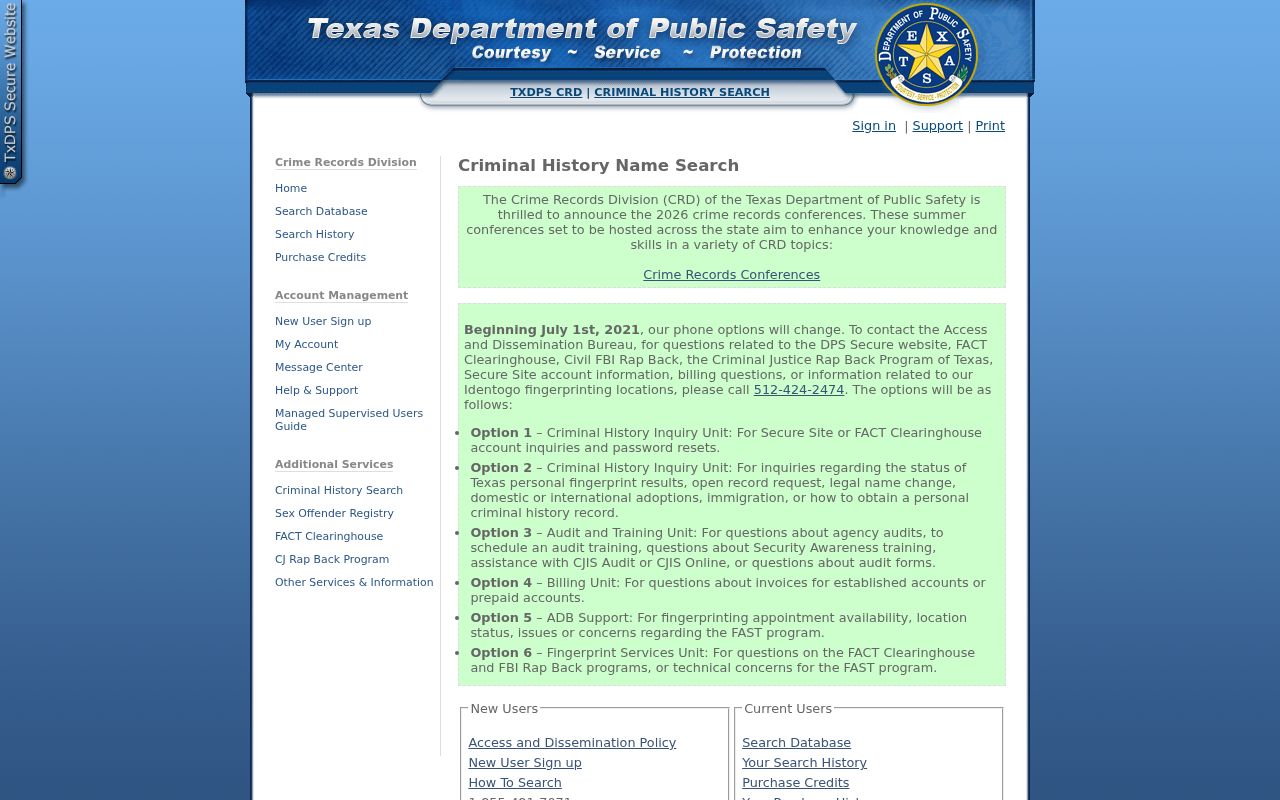
The screen is a statewide lead source, while Polk County clerks remain the source for the actual local pleadings and judgment.
DPS provides separate instructions on credits, match review, and public-result limits.

Those limits explain why a no-match result is not proof that no arrest or local court file exists.
Polk County Clerk Record Search
The Polk County Clerk offers a free index route with the published credentials ccpublic and public. That index covers the clerk's holdings, not district felony records. For a requested criminal document, the form offers Information, Complaint, Judgement or Dismissal, Background Search Form, and Other. The portal label uses “Judgement,” though standard legal prose uses “judgment.” A request includes full name, optional date of birth and case number, copy type, payment method, and contact details.
Regular copies cost $1 per page. Certification adds $5 plus $1 per page, and the background search form costs $5. Card payment has a 2.40 percent or $2 minimum transaction fee. The clerk states that a request may take up to ten days and is not complete until payment arrives. That local processing notice is distinct from the Texas Public Information Act deadline rules.
| Clerk product | Published cost | Useful for |
|---|---|---|
| Regular copy | $1 per page | Reading an available pleading or order |
| Certified copy | $5 plus $1 per page | Obtaining a clerk-authenticated document |
| Background search form | $5 | Searching County Clerk criminal holdings |
Felony questions go to the District Clerk in Suite 216. Do not assume the County Clerk's free credentials cover the 258th or 411th District Court.
Criminal Record Types
A Polk County criminal record may describe one moment or the whole reported cycle. The source tells you what the document can prove. Incident reports preserve an agency narrative. Booking records show jail intake. Complaints, informations, and indictments state allegations filed for court action. Dockets track hearings and filings. Judgments record the result and sentence. A Texas rap sheet organizes fingerprint-linked arrest cycles and reported outcomes around identity.
- Incident or arrest report: request it from the deputy, police department, or other agency that wrote it.
- Booking record: use Polk County Jail for intake, bond, charge, and custody facts that are releasable.
- Court case file: use the proper clerk for charges, events, disposition, and sentence.
- Warrant or capias: confirm it with the issuing court and the law-enforcement channel.
- State history: use DPS for its public product or a fingerprint-based review of your own record.
- Disposition
- The recorded result of a charge or case.
- Deferred adjudication
- Community supervision without an immediate finding of guilt; it is not automatic record erasure.
- Capias
- A court writ that directs an arrest after a legal or procedural trigger.
- Nondisclosure
- A Texas order that restricts public release of qualifying criminal-history information while allowing listed government access.
Polk County Booking and Court Records
A booking charge can change after prosecutor review. The prosecutor may file a different charge, reject the matter, or present a felony allegation to a grand jury. That is why the initial Polk County jail entry and the later court caption may not match. The County Clerk preserves County Court at Law misdemeanor cases. The District Clerk preserves felony files in the 258th and 411th District Courts. Municipal and justice courts handle their own fine-only work.
Read each count separately. “Dismissed” is not a conviction, but it does not erase the arrest. “No bill” means a grand jury did not return the proposed indictment. “Disposed” says a case is closed or resolved, not how it ended. A signed judgment is the best public proof of a conviction and sentence. The dedicated Polk County criminal court cases resource follows the local clerk split and court process in more depth.
Record flow: Arresting agency › Polk County Jail › Prosecutor › County or District Clerk › Texas DPS
Inside a Polk County Criminal Record
A case file centers on one cause number. It can show the filing date, court, parties, charge and statute, docket events, hearing settings, motions, plea, judgment, sentence, and costs. Public document images may be limited even when an index entry is visible. Social Security numbers, protected contact or financial identifiers, victim information, and juvenile details may be redacted.
| Name and Identifiers | Defendant name, aliases where recorded, date of birth or limited descriptors, and case-linked identifiers. |
|---|---|
| Arrest and Booking | Arrest date, agency, booking number, intake charge, and bond when the source makes them public. |
| Filed Charge | Complaint, information, or indictment with offense description, statute, and degree or class. |
| Docket Events | Settings, motions, arraignment, plea, trial events, warrants, and orders. |
| Disposition | Convicted, dismissed, acquitted, deferred adjudication, or another recorded result. |
| Sentence | Custody, fine, court costs, restitution, or community supervision stated in the judgment. |
Match the filed charge and final count rather than relying on the first label shown at booking.
Polk County Jail Record Fallback
The sheriff's Jail Information hub links a Current Inmate List. The roster host timed out during research, so its live fields were not confirmed. Try the official link first, then call the jail at 936-327-6822. For the booking sheet or incident report, contact the sheriff at 936-327-6810 or submit a focused public-information request to the correct record custodian. Staffing needs can place a Polk detainee in an out-of-county facility while Polk County remains responsible for the case.
Polk County Sheriff and Jail
1733 N. Washington Ave.
Livingston, TX 77351
Sheriff: 936-327-6810
Jail: 936-327-6822
Polk Public Records Officer
101 W. Mill St., Suite 247
Livingston, TX 77351
PIARequest@Polktx.gov
Note: A current-custody roster can omit released people and cannot supply the final prosecution result.
Public Access Laws in Texas
The Texas Public Information Act governs many executive-branch records, including releasable sheriff and police material. Judicial files follow court access rules and clerk procedures. Confidential criminal-history information can stay restricted even when a related judgment is public. Ask for releasable portions when an incident report contains protected material rather than assuming the whole file must be withheld.
Key laws:
Government Code Chapter 552 requires prompt access to public information unless an exception applies.
Government Code Chapter 411 governs criminal-history confidentiality, public dissemination, and nondisclosure.
Code of Criminal Procedure Chapter 55A sets the current Texas expunction framework.
Code of Criminal Procedure Chapter 62 governs sex-offender registration and forbids harmful misuse of registry data.
Polk County accepts requests through its NextRequest public-record center, by email, mail, or hand delivery. Describe the record, agency, event, date range, and desired format with enough detail to locate existing material.
Polk County Warrant Record Gaps
No complete official public Polk County warrant search was confirmed. Use the sheriff at 936-327-6810 for county status routing, then contact the court that issued the warrant or capias. The 258th and 411th District Courts, County Court at Law, four justice courts, and municipal courts can maintain separate records. A city failure-to-appear warrant may never appear in the County Clerk index.
The Sheriff's Wanted List is curated, not a full warrant database. A missing name is not clearance. If a possible warrant appears, confirm the case number, issuing court, status, and required appearance or bond process. Court staff can explain procedure but cannot give legal advice. Do not enter an office on the assumption that asking about a warrant prevents an arrest.
Sealed, Expunged, and Restricted Records
Texas treats expunction and nondisclosure as different remedies. Expunction under Chapter 55A can direct named agencies to destroy, delete, or return qualifying records. An order of nondisclosure restricts public release of eligible criminal-history information but does not erase it and preserves access for agencies listed by law. Dismissal alone does not automatically clear a booking record, clerk index, or DPS entry.
Juvenile law-enforcement and court records are generally confidential, with automatic sealing available in qualifying circumstances. Victim identities in sensitive cases, Social Security numbers, financial identifiers, and active-investigation material may also be redacted. Polk District Clerk provides petition and model materials for nondisclosure, but the clerk cannot decide eligibility or give legal advice.
| Point | Expunction | Nondisclosure |
|---|---|---|
| Main effect | Destruction, deletion, or return of covered records | Restriction from ordinary public disclosure |
| Typical focus | Defined qualifying arrest outcomes | Eligible deferred cases and some convictions |
| Later access | Narrow statutory exceptions | Authorized agencies retain access |
After relief, allow processing time and recheck the clerk indexes plus a fingerprint-based DPS personal review. Supply a certified order to an agency when a covered item persists.
Polk County Probation and Parole Records
Texas calls probation “community supervision.” Polk County CSCD supervises local felony and misdemeanor community-supervision cases, while the sentencing court's judgment remains the best public proof of the term. Officer assignments, treatment details, and sensitive operational files are not the same as the public court record. Parole is separate. The Texas Board of Pardons and Paroles makes release decisions, and the TDCJ Parole Division supervises people released to parole or mandatory supervision.
The Texas Board of Pardons and Paroles publishes the state decision structure.
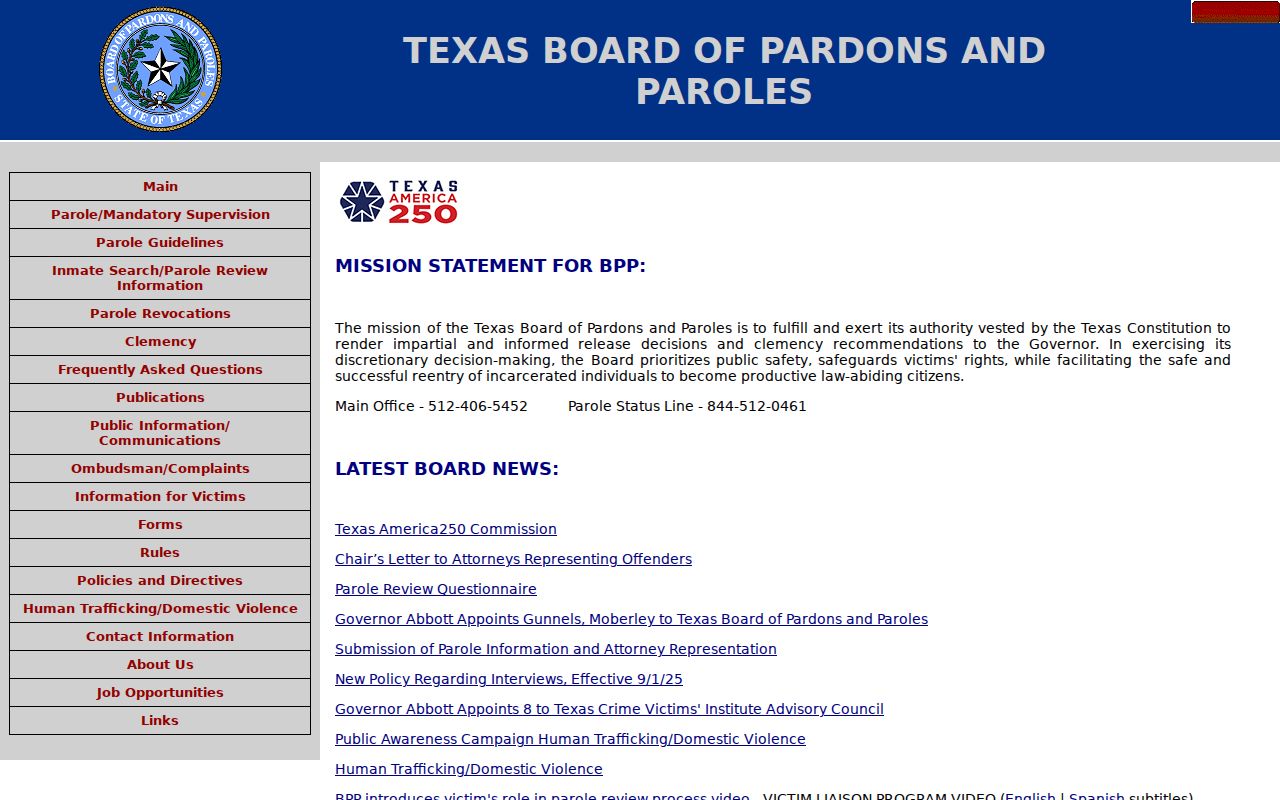
The board source should be paired with the Polk judgment and TDCJ status, since each answers a different part of the record.
The TDCJ Parole Division describes the supervision side of a release.
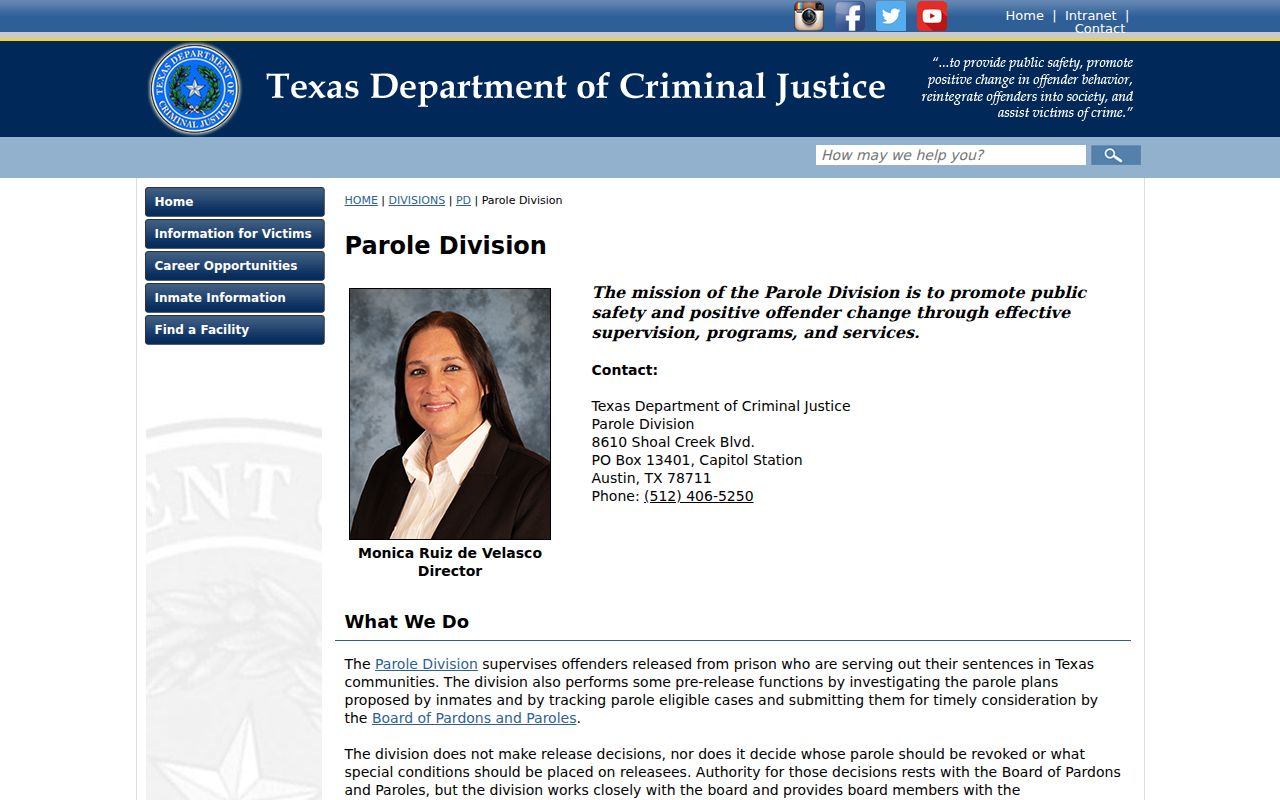
That division does not replace the Polk County clerk's signed judgment or local community-supervision record.
Polk County Fingerprint Record Review
For your own identity-matched Texas record, follow DPS personal-review instructions and use FAST through IdentoGO or the fingerprint-card route DPS specifies. A service code connects the capture to the correct authorized process, so do not choose one at random. The base FACT schedule lists $10 for IDEMIA, $15 for DPS, and $12 for an FBI component, but the authorizing program and live appointment flow control the total. No permanent IdentoGO storefront in Polk County was confirmed. Search the vendor locator with Livingston or ZIP code 77351 at booking time.
The DPS fingerprinting-services page explains the official FAST channel.
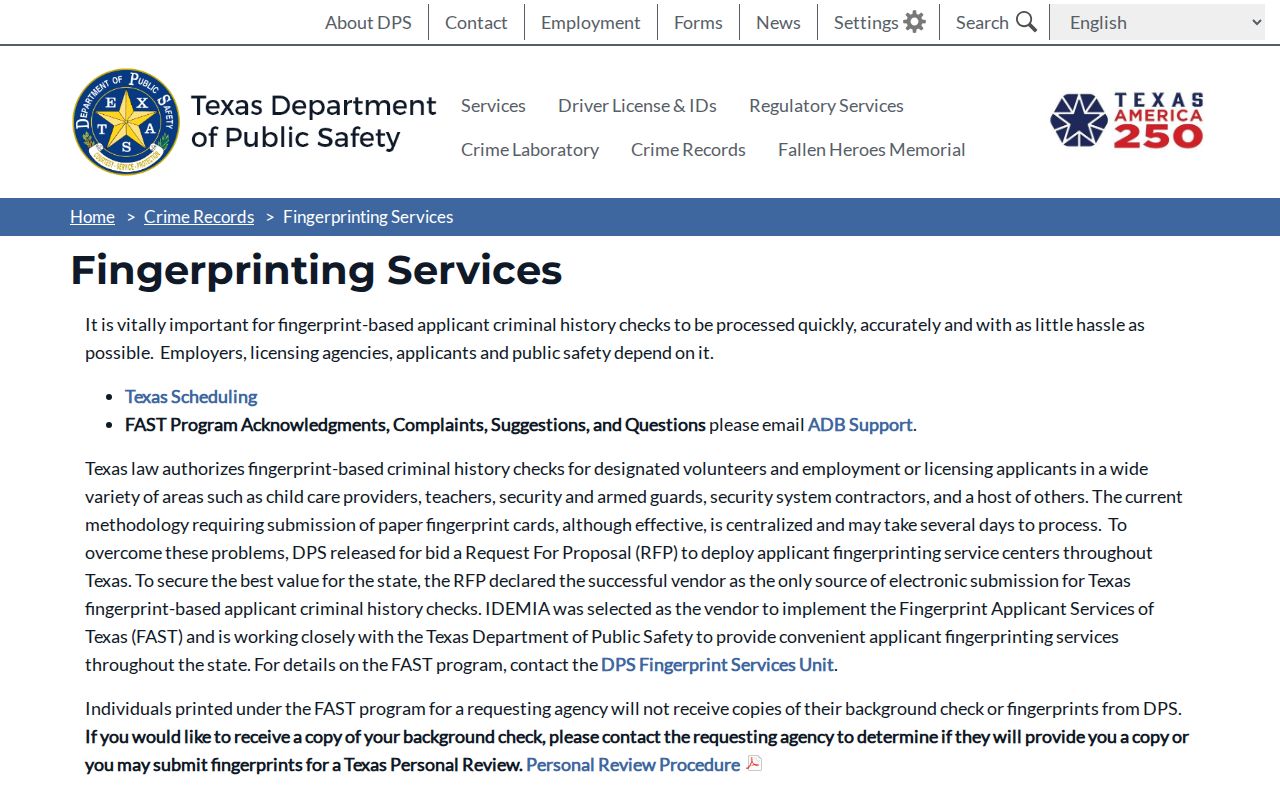
DPS instructions determine whether the request uses a service code, fingerprint card, or other personal-review step.
The IdentoGO Texas enrollment portal is the appointment entry point when FAST capture applies.
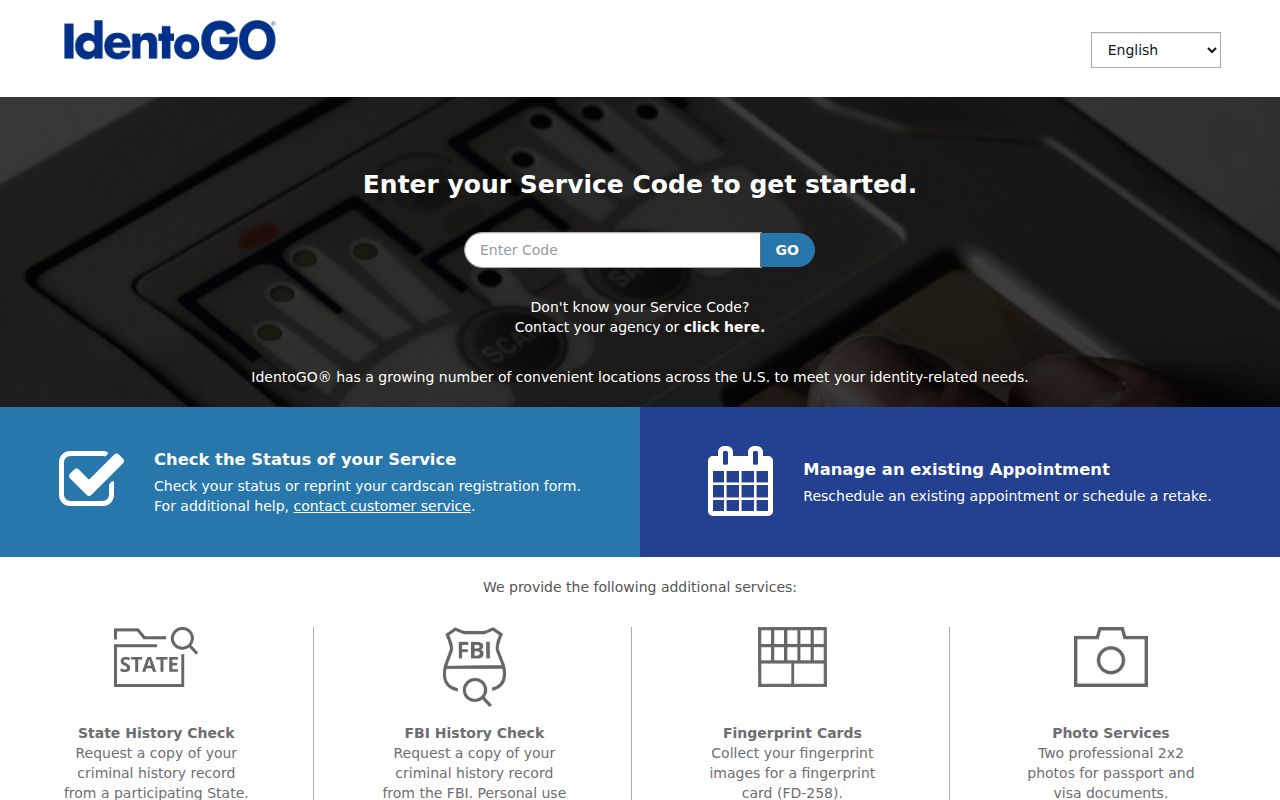
Keep the transaction information so a later correction or status question can be tied to the right submission.
Polk County Criminal Records by City
City police departments create their own incident and arrest reports, while municipal courts keep city ordinance and Class C files. Polk County's three largest incorporated cities are Livingston, Onalaska, and Corrigan. Their local channels differ, even though county booking and higher court cases route toward Livingston.
Livingston Criminal Records
Jan. 2024 estimate 5,766 · County-seat police, municipal court, and clerk routing.
Onalaska Criminal Records
Jan. 2024 estimate 3,233 · Police and Municipal Court share the FM 356 complex.
Corrigan Criminal Records
Jan. 2024 estimate 1,435 · Northern Polk reports begin with the city office that holds them.
Polk County Records Across 1,057 Miles
Polk County had an estimated 53,434 residents on July 1, 2025, spread across 1,057.05 land square miles. That wide, low-density setting helps explain the split among the county seat, municipal offices, four justice precincts, city police departments, and state systems. US 59/I-69, US 190, Lake Livingston, and farm roads also mean an arrest might begin with city police, a sheriff's deputy, a constable, or a DPS trooper.
The Census QuickFacts profile for Polk County supplies the official population and geography context.
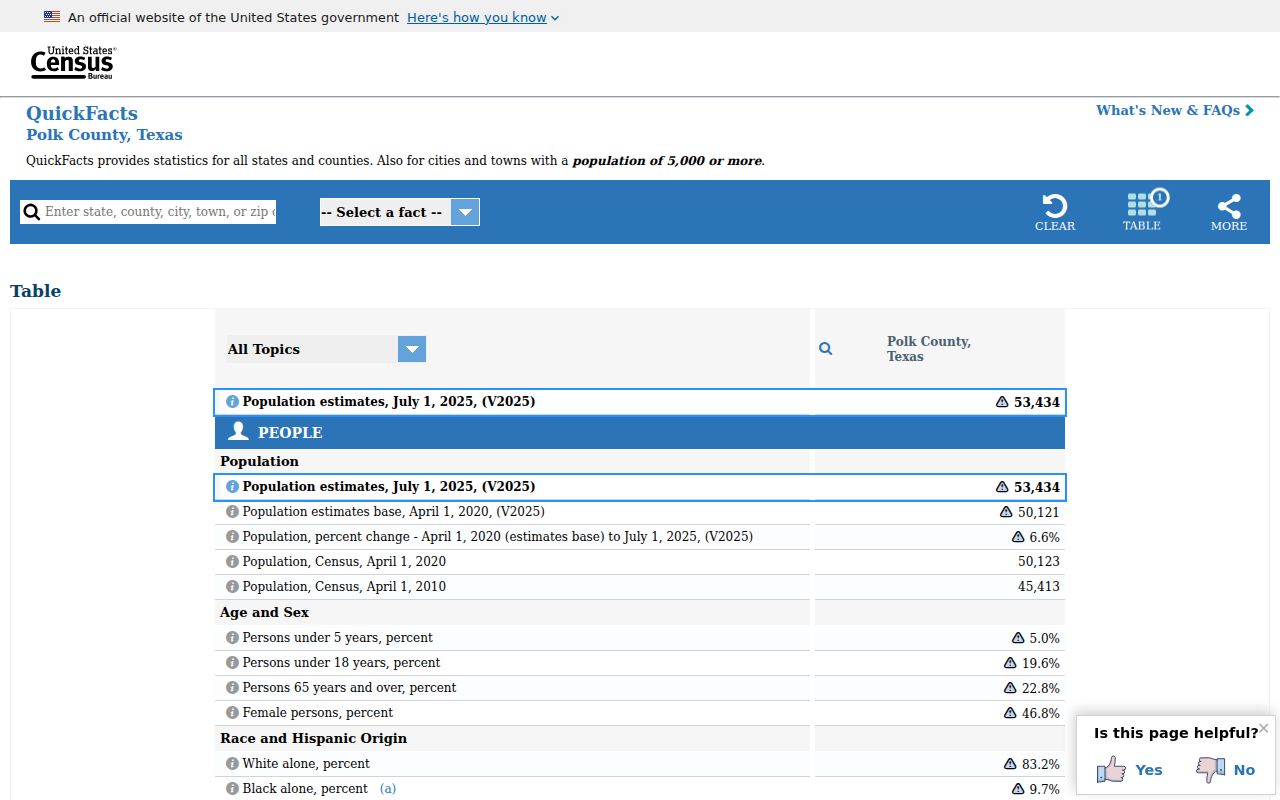
Geography does not change which record proves an outcome, but it makes the arresting agency and issuing court vital search details.
Federal criminal cases sit outside the Polk County clerk system. The official PACER court-record service is the federal docket source.
Polk County lies in the Eastern District of Texas, so a federal docket search should not be confused with the local clerk indexes.